The Rise of Couples Therapy: A Response to Pandemic Strain in Connecticut
By Therapy CT News · 2026-07-31
With pandemic-induced stress, more Connecticut couples are turning to therapy. Therapists are modifying techniques to handle new relationship challenges.
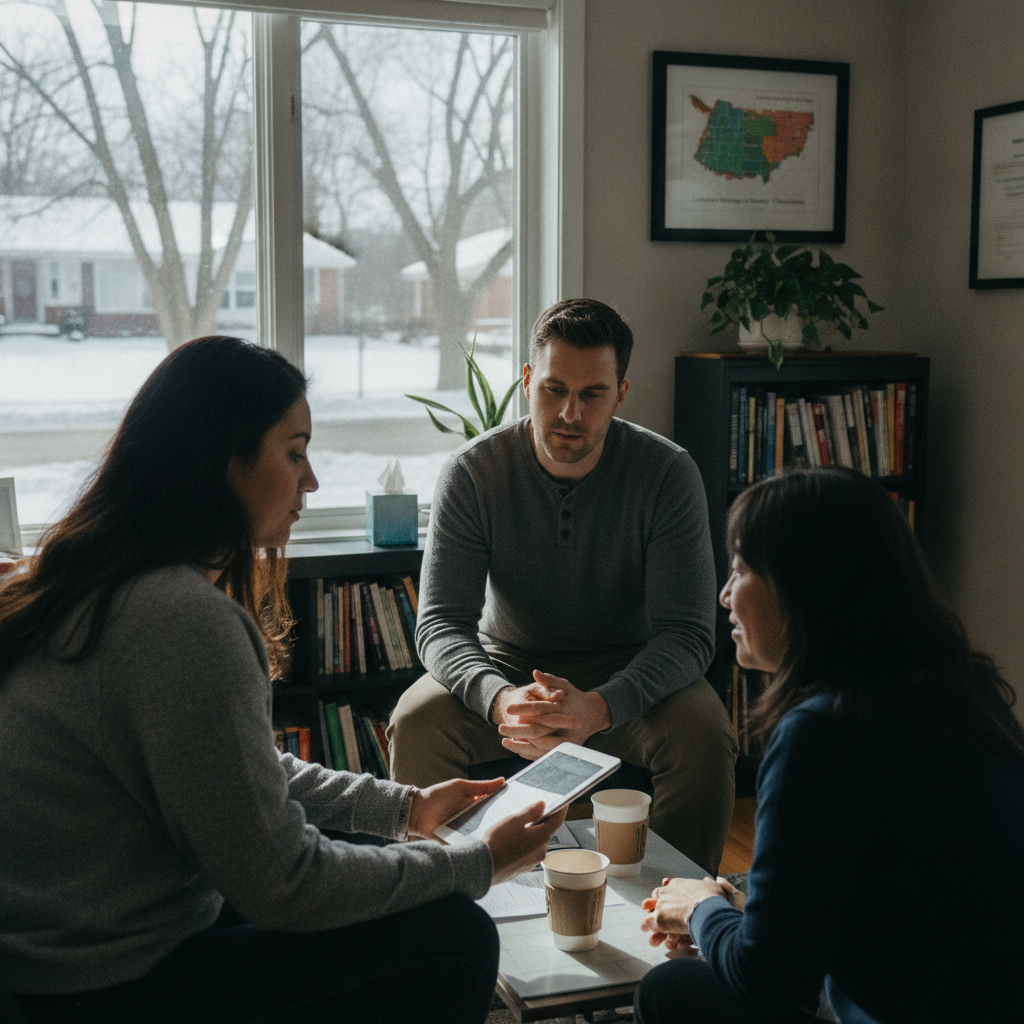
CONNECTICUT — The COVID-19 pandemic has introduced unprecedented stressors to daily life, with personal relationships bearing a significant portion of the burden. This reality has led to an increase in couples seeking therapy in Connecticut, where mental health professionals have reported a surge in demand for their services. Couples therapy is emerging as a vital component in helping relationships grow stronger in the face of adversity, and therapists are utilizing various techniques to address these contemporary challenges (WFSB).
Cognitive Behavioral Therapy (CBT) has remained a prevalent method, providing couples with structured approaches to addressing negative thought patterns and behaviors. Its effectiveness in transforming how partners perceive each other and their interactions is well-noted. Additionally, Dialectical Behavior Therapy (DBT) is employed to aid couples in handling intense emotions that have been exacerbated by pandemic conditions (Psychology Today).
Eye Movement Desensitization and Reprocessing (EMDR), traditionally used for individual trauma, is also gaining traction in couples therapy settings. During the pandemic, many couples have shared traumatic experiences, from losing loved ones to financial instability. EMDR aids in processing these experiences and minimizing their intruding impact on present relationship dynamics (EMDR Institute).
Internal Family Systems (IFS) therapy, which focuses on internal emotional conflicts, is being used to help couples understand and harmonize their internal systems, improving external relationship issues. This method assists in recognizing and managing individual fears and anxieties that may strain even the healthiest of relationships under pandemic conditions (GoodTherapy).
The expansion of telehealth services in Connecticut has considerably increased accessibility to therapy. Virtual sessions allow individuals to connect with therapists regardless of location, which has been particularly beneficial for those in rural areas. This technological adaptation is helping to dismantle barriers that previously prevented many from seeking professional support (Connecticut Department of Public Health).
Therapists across the state have responded to increased demand by expanding their practice availability, hiring additional qualified staff, and offering more flexible hours. This growth is essential in keeping up with the needs of diverse communities throughout Connecticut, with a focus on reaching out to underserved populations that have historically struggled to access mental health services (United Way of Connecticut).
Despite these improvements, obstacles remain. Financial limitations are a significant barrier, as insurance coverage for mental health services is often inadequate. Therapists are creatively addressing this issue by providing sliding-scale fees or offering group therapy sessions as a more affordable option. The stigma surrounding therapy, while slowly diminishing, continues to hinder some from seeking help (NAMI Connecticut).
Looking forward, mental health professionals anticipate that as pandemic-related issues evolve, so too will the focus of therapy. Building resilience within relationships, tackling the impact of remote work, and managing joint parenting responsibilities amidst ongoing uncertainties are key areas of focus. These aspects represent the changing needs of couples as they navigate life-post pandemic (American Psychological Association).
Statewide efforts are promoting public education about the benefits of therapy and encouraging more open discussions about mental health. Seminars and workshops are being organized to equip couples with tools and information, thereby reducing stigma and fostering a culture of understanding and acceptance (Mental Health Connecticut).
As Connecticut's therapeutic community adjusts to new challenges, the emphasis remains steadfastly on providing compassionate and evidence-based care. The goal is not only to resolve conflicts but also to enhance understanding and emotional connection, preparing couples to tackle future challenges effectively. Mental health practitioners continue to advocate for accessibility and adaptability as cornerstones in delivering effective therapeutic outcomes (Hartford Courant).
Sources
- [1] WFSB
- [2] Psychology Today
- [3] EMDR Institute
- [4] GoodTherapy
- [5] Connecticut Department of Public Health
- [6] United Way of Connecticut
- [7] NAMI Connecticut
- [8] American Psychological Association
- [9] Mental Health Connecticut
- [10] Hartford Courant